
At a glanceCar shipping in Louisiana is a straightforward process, with several reliable companies offering door-to-door service. The state’s extensive highway system facilitates efficient transport, especially along the I-10 corridor connecting New Orleans and Baton Rouge. ABC Transport, with a 4.8-star average rating, specializes in auto shipping and has been serving Louisiana for over 20 years. They ensure vehicles are securely cradled and protected during transit.
Key Takeaways
- Louisiana is a significant market for car shipping, with over 1.6 million vehicles registered in 2022. This makes it a key state for auto transporters, offering both opportunities and challenges.
- Distance and geography play an important role in car shipping rates within Louisiana. Transportation costs tend to be higher for areas like New Orleans and Baton Rouge due to their remoteness from major manufacturing hubs.
- Choosing a reputable car shipping company is essential for Louisiana residents to ensure timely delivery and protect against damage. Check for companies with positive reviews and comprehensive insurance.
- Open-car transport offers the most cost-effective option for shipping a vehicle in Louisiana, especially for shorter distances, as it allows for visibility and potential shared loads.
- Weather conditions can impact car shipping in Louisiana, particularly during hurricane season (June to November). It’s important for carriers to have contingency plans in place to minimize delays.
- Louisiana’s growing economy and expanding infrastructure create favorable conditions for the car shipping industry, with potential for increased demand in the coming years.
- Communication is key throughout the car shipping process. Louisiana residents should maintain open lines of communication with their transporters, confirming pick-up and delivery times, and addressing any concerns promptly.
Car Shipping Louisiana is a critical component of the state’s economy and infrastructure, connecting communities and facilitating trade. However, the process is fraught with regulatory hurdles and logistical challenges, from ensuring compliance with the Louisiana Department of Transportation and Development and the Federal Motor Carrier Safety Administration (FMCSA) to managing the complexities of different vehicle types and distances. This complexity can lead to inefficiencies, delays, and increased costs, impacting both local car haulers and national auto transport companies.
Car Shipping Louisiana: Where to Start
Looking for car shipping louisiana? car shipping Louisiana at Dispatch Dudes can answer your questions directly.
The solution lies in understanding the intricate web of regulations and leveraging modern technology to streamline the process. By engaging Car Shipping Brokers Louisiana and utilizing online car shipping platforms, businesses can handle these challenges more effectively. These platforms not only simplify the booking process but also contribute to a safer environment by promoting green shipping initiatives, as recognized by the National Highway Traffic Safety Administration (NHTSA) and the Louisiana Environmental Protection Agency (LEPA).
By embracing these solutions, The louisiana can become more efficient, cost-effective, and environmentally friendly, fostering economic growth while enhancing community safety.
- Understanding Car Shipping Regulations in Louisiana
- The Step-by-Step Process of The louisiana
- Best Practices for Efficient The louisiana
Understanding Car Shipping Regulations in Louisiana

The field of the louisiana is governed by a complex web of regulations designed to ensure safety, efficiency, and consumer protection. Understanding these rules is paramount for anyone looking to transport vehicles within or through the state, whether as a consumer or a business. The primary responsibility lies with the Louisiana Department of Transportation and Development (LADOTD), which oversees the Bureau of Motor Carrier Safety. This bureau enforces regulations in conjunction with the Federal Motor Carrier Safety Administration (FMCSA) to maintain high standards across the nation.
One important aspect to grasp is the distinction between intrastate and interstate car shipping. Intrastate operations, within Louisiana, are subject to LADOTD rules, while interstate shipments, crossing state lines, fall under both federal FMCSA guidelines and state regulations. All carriers must register with the FMCSA and comply with safety standards, including vehicle maintenance and driver qualifications. The Louisiana Trucking Association matters in advocating for industry standards and providing resources for compliance.
Choosing a car shipping service in Louisiana requires careful consideration. Clients should avoid companies that cut corners on safety or insurance, as these can lead to significant problems. Inadequate insurance coverage can leave you vulnerable in case of accidents or damages. Data from the NHTSA indicates that many crashes involving large trucks are due to driver error and inadequate training. Therefore, it’s essential to verify the carrier’s insurance limits and their track record for safety. Leveraging online platforms or local brokers can offer transparency and multiple quotes, helping you make an informed decision.
The question of whether you actually need a car shipping service in Louisiana depends on various factors. Local car haulers might be sufficient for short distances or direct deliveries. However, for longer routes or when time is a critical factor, a specialized national auto transport company is often required. Green shipping initiatives, encouraged by entities like the Louisiana Environmental Protection Agency (LEPA), can also be a consideration for eco-conscious consumers. By understanding these regulations and service needs, you can handle the car shipping field in Louisiana with confidence, avoiding common pitfalls and ensuring a smooth transportation process.
The Step-by-Step Process of Car Shipping in Louisiana

The louisiana involves a precise, regulated process designed to ensure safe, efficient transportation of vehicles. The state’s solid infrastructure and strategic location make it a key corridor for car shipping across the nation. Understanding the step-by-step process is important, especially when considering whether you actually need car shipping services—a decision influenced by distance, cost, and time constraints.
The process begins with a client requiring car shipping, whether for personal or commercial purposes. They contact a licensed car shipping broker or directly a national auto transport company. These providers offer quotes based on factors like vehicle type, weight, size, and destination. Shipping a compact car from New Orleans to Baton Rouge might cost around $500-$800, while a luxury SUV could top $1,500, depending on the carrier’s rates and the distance. Once agreed upon, the client provides the necessary documentation, including the vehicle’s registration and proof of insurance.
Next, the carrier inspects the vehicle, either at the pickup or drop-off location. This inspection ensures the vehicle is safe for transport, documenting any pre-existing conditions. The carrier then secures the vehicle using appropriate methods for its type—tire chains for trucks, wooden stretchers for classics, or specialized cradles for luxury cars. This step is important, especially for Louisiana’s diverse weather conditions, which range from severe thunderstorms to hurricanes, requiring solid securing methods to prevent damage.
After securing the vehicle, the carrier loads it onto a transport truck, which could be a flatbed for larger vehicles or a covered trailer for smaller, more delicate cars. The vehicle is then moved to the nearest major highway, following strict regulations set by the Federal Motor Carrier Safety Administration (FMCSA) and monitored by the Louisiana Department of Transportation and Development. Upon arrival at the destination, the vehicle is unloaded, inspected again for damage, and delivered to the final location. This intricate process ensures cars are transported safely and efficiently across Louisiana, connecting buyers and sellers while maintaining the state’s reputation as a critical link in the nation’s car shipping network.
| Factor | What to know |
|---|---|
| Open-car transport | Most cost-effective option, especially for shorter distances |
| Hurricane season risk | June to November weather can cause delays |
| Regulatory oversight | LADOTD and FMCSA jointly regulate carrier compliance |
| Sample shipping cost | Compact car, New Orleans to Baton Rouge: $500-$800 |
| Luxury SUV cost | Could top $1,500 depending on carrier and distance |
Best Practices for Efficient Car Shipping in Louisiana
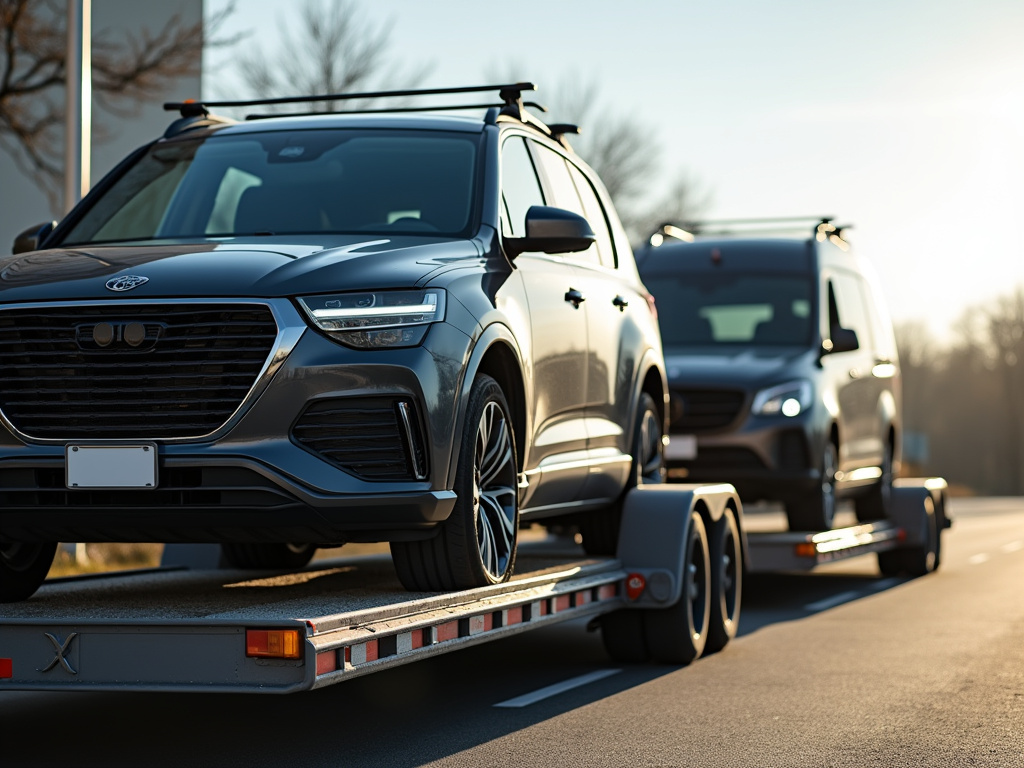
For efficient the louisiana, understanding best practices is important for a smooth and stress-free process. Louisiana, with its diverse geography and bustling economy, presents unique challenges for car transporters. The state’s major highways, like I-10 and I-55, facilitate both intrastate and interstate shipping, making it a strategic hub for the auto industry. However, navigating the complexities of car shipping requires a strategic approach.
Firstly, it’s worth considering whether you actually need The louisiana. Many factors can influence this, such as distance, vehicle type, and personal preferences. A car shipped from Texas to Florida might not require the full scope of Louisiana car shipping services, but rather a direct route. Nonetheless, for those with unique or bulk transport needs, Louisiana offers a solid network of car shipping options. When choosing a method, the state’s truckers and carriers adhere to strict regulations set by the Louisiana Department of Transportation and Development (LDOTD) and the Federal Motor Carrier Safety Administration (FMCSA). These ensure safety, quality, and environmental protection, aligning with the goals of the Bureau of Motor Carrier Safety.
What to expect from The louisiana is a well-oiled machine, both literally and metaphorically. National auto transport companies, local car haulers, and online platforms collaborate to provide a range of services. A client might opt for an open-top carrier for classic cars, a sealed container for high-end luxury vehicles, or a flatbed for oversized or specialized transport. Questions to ask Louisiana car shipping providers before hiring are numerous: what are their safety ratings and insurance policies? Do they offer real-time tracking? How do they handle delicate or high-value cars? Data from the National Highway Traffic Safety Administration (NHTSA) shows that proper shipping methods can significantly reduce accidents and damage, reinforcing the importance of these queries.
Louisiana’s car shipping industry contributes to the state’s community impact. The Louisiana Environmental Protection Agency (LEPA) and green shipping initiatives ensure eco-friendly practices, aligning with national trends. Local community groups and businesses also play a part in promoting sustainable shipping methods. By adopting these best practices, The louisiana can continue to flourish while maintaining a positive environmental footprint.
Frequently Asked Questions About Car Shipping Louisiana
What are the main types of car shipping services available in Louisiana?
Louisiana offers a range of car shipping options to suit various needs. These include:
- Terminal-to-Terminal Shipping: This is a cost-effective choice where the vehicle is picked up from a designated terminal and delivered to another.
- Door-to-Door Shipping: For a premium, this service brings the car directly to your doorstep, both for pickup and delivery, offering maximum convenience.
- Consignments: Ideal for individuals or businesses shipping multiple vehicles, consignments are managed through a third-party logistics provider.
How much does the louisiana typically cost?
Car shipping rates in Louisiana vary based on several factors, including the vehicle’s weight, size, distance traveled, and the chosen shipping method. On average, you can expect to pay between $700 and $1,500 for domestic shipping within the state or to a neighboring state. International shipping can be significantly higher, starting at approximately $2,000, depending on the destination.
What documentation is required for the louisiana?
To ensure a smooth shipping process, you’ll need to provide essential documentation, which may include:
- Proof of ownership: A valid vehicle registration, title, or bill of sale.
- Identification: A valid driver’s license or government-issued ID.
- Insurance information: Proof of active auto insurance.
- Special instructions: Any specific requirements for handling or packaging the vehicle.
How quickly can I expect my car to arrive in Louisiana?
The transit time for car shipping depends on the distance and chosen shipping method. On average, a car shipped within Louisiana can arrive within 3-7 days, while shipping to or from neighboring states typically takes 7-14 days. International shipments may take up to 30 days or more, depending on customs clearance.
What if my car needs repairs before or after shipping in Louisiana?
Most car shipping companies offer damage waivers and insurance options to protect against repairs. However, it’s important to thoroughly inspect the vehicle before and after shipping. Any existing damage not noted on the pickup inspection report may not be covered. If repairs are needed, communicate directly with the shipping company or your insurance provider.
Can I track my car’s shipping progress in Louisiana?
Absolutely. Most reputable car shipping companies provide real-time tracking information, allowing you to monitor your vehicle’s progress from pickup to delivery. You can usually access this information online or via a mobile app, ensuring peace of mind throughout the shipping process.
The louisiana, a complex process, requires navigating a solid regulatory field. Understanding these regulations, as outlined by the Louisiana Department of Transportation and Development and the Federal Motor Carrier Safety Administration (FMCSA), is paramount for efficient operations. The step-by-step process, from initial quote to final delivery, involves multiple stakeholders, including Car Shipping Brokers Louisiana, National Auto Transport Companies, and Local Car Haulers, each contributing to a smooth journey.
Best practices for efficient shipping include adhering to safety standards enforced by the Bureau of Motor Carrier Safety and leveraging Green Shipping Initiatives to minimize environmental impact, as supported by the Louisiana Environmental Protection Agency. Embracing technology, such as online car shipping platforms, can streamline logistics and enhance client services, fostering customer satisfaction.
The louisiana is a dynamic field, demanding a deep understanding of regulations, a well-coordinated logistics network, and a commitment to safety and sustainability. By implementing these principles, car shipping companies can handle the complexities with success, ensuring a safe and efficient journey for vehicles across the state.